Art Deco Butterfly: Graphics & Patterns
As a digital product creator who has spent years navigating the shifting tides of online marketplaces, I have learned that not every graphic design asset is created equal. Some are fleeting trends, while others possess a timeless quality that anchors a brand. Recently, I evaluated the Art Deco Butterfly Hand Embroidery collection to determine its viability for my upcoming seasonal launch. My goal was not just to admire the aesthetics, but to stress-test its utility for Etsy sellers, print-on-demand entrepreneurs, and crafters looking to expand their digital download offerings.
First Impressions: Niche Appeal and Visual Personality
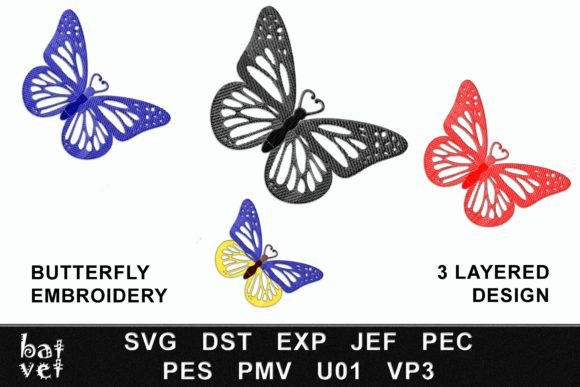
The immediate impact of this collection is its sophisticated blend of vintage charm and modern precision. The Art Deco influence brings a geometric elegance that feels premium rather than playful or rustic. This is crucial for positioning. While many butterfly designs lean into the cute or whimsical, this asset commands respect. It feels decorative and intentional, appealing to buyers who value handmade authenticity mixed with high-end design sensibilities.
For those of us selling Hand Embroidery Patterns, the visual clarity is paramount. The lines are distinct, suggesting that this lovely butterfly-inspired motif can be interpreted through various stitching techniques. Whether a customer prefers satin stitch for a bold look or French knots for texture, the underlying structure supports creative freedom. This versatility is a significant selling point, as it attracts both novice stitchers and experienced artisans looking for fresh inspiration for bag embellishments, book covers, or tea towels.
Commercial Applications Across Product Lines
When integrating new Graphics into a shop, I always ask: where does this fit? The Art Deco Butterfly Hand Embroidery is surprisingly adaptable. Here is how I envision using it across different product categories:
- Printable Wall Art: The clean lines work beautifully for minimalist home decor. Paired with a neutral background, it becomes a statement piece for modern interiors.
- Sublimation Design: For tote bags and pillowcases, the intricate details hold up well when printed on fabric. The contrast ensures the design remains visible without appearing muddy.
- Cricut Project Files: If converted into an SVG design, this asset can serve as a cut file for vinyl decals. However, careful weeding is required due to the detailed nature of Art Deco lines.
- Canva Template Elements: Incorporating this illustration into invitation templates or greeting cards adds a layer of sophistication. It pairs exceptionally well with serif fonts and elegant script fonts.
- Packaging Design: Small business owners can use this clipart to elevate their brand identity. It works well on thank-you cards, sticker seals, and hang tags, reinforcing a perception of quality.
The key to success here is context. This is not a loud, attention-grabbing graphic for a clearance sale banner. It is a refined element meant to enhance perceived value. When used in a design bundle alongside complementary floral or geometric motifs, it increases the overall attractiveness of the package, encouraging higher average order values.
Enhancing Product Presentation and Trust
In the crowded landscape of creative marketplaces, thumbnail appeal is everything. I tested this asset in various product mockup scenarios. On white backgrounds, the black-and-white contrast provides excellent visual hierarchy, drawing the eye immediately. This is vital for Etsy listings where customers scroll quickly. The design’s inherent elegance helps build customer trust; it signals that the seller cares about aesthetics and quality.
Furthermore, using this asset in social media graphics allows for cohesive storytelling. By maintaining consistent styling across Instagram posts and Pinterest pins, you strengthen your small business branding. The Art Deco style lends itself to a curated feed, which is essential for attracting followers who appreciate design-led products. When potential buyers see a unified visual language, they are more likely to perceive the shop as professional and reliable.
Strategic Placement and Cautionary Notes
While versatile, this asset requires thoughtful application. It shines in large product previews and themed bundles where details can be appreciated. However, there are areas where it should be used carefully. For instance, attempting to shrink this design for tiny sticker details may result in loss of clarity. The fine lines of the Art Deco pattern could blur or break when reduced significantly, especially in lower-resolution print products.
Additionally, avoid placing this design on dark backgrounds unless you have a high-contrast version available. The delicate lines may get lost, reducing impact. For Cricut or Silhouette users, ensure that the SVG cut quality is inspected thoroughly. Complex intersections in Art Deco designs can sometimes cause cutting errors if the nodes are not optimized. Always test cut a sample before offering it as a final product.
Text-heavy templates also pose a challenge. Because the butterfly design is intricate, it competes with dense text. It is best used as a focal point or a border element, allowing breathing room for typography. Pairing it with a clean sans serif font or a flowing handwritten font can create balance, but overcrowding the layout will diminish its effectiveness.
Practical Seller Notes for Implementation
Before publishing any listing featuring Art Deco Butterfly Hand Embroidery, I recommend a rigorous testing phase. Start by previewing the design on real mockups. Does it look good on a linen tote? How does it appear on a ceramic mug? Check how it looks on both white and dark backgrounds to ensure versatility. If you are offering it as a PNG design, verify the transparency edges to avoid white halos.
File organization is another critical aspect of customer satisfaction. Clearly label your files, distinguishing between the clipart versions, the illustration sources, and any included commercial license documentation. Customers appreciate when they can easily find the specific format they need for their print-on-demand projects or personal crafts.
Finally, always confirm the licensing terms. Ensure that your intended use aligns with the commercial rights provided. Whether you are creating a t-shirt design for a boutique or a sticker design for a planner community, understanding the legal boundaries protects your business. By treating this asset with strategic care, you transform a simple graphic into a powerful tool for growth. The Art Deco Butterfly Hand Embroidery is not just a pretty picture; it is a viable component of a profitable, professional digital product strategy.