Embroidery Hoop Graphics for Frames & Mockups
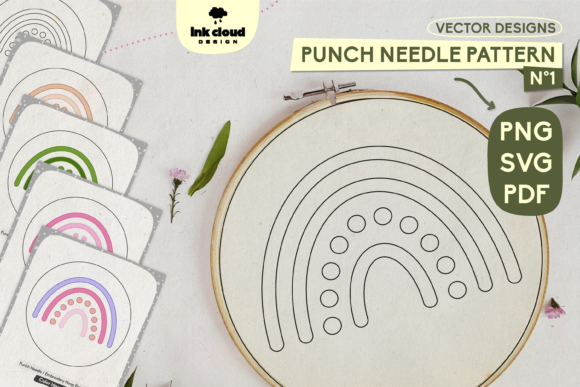
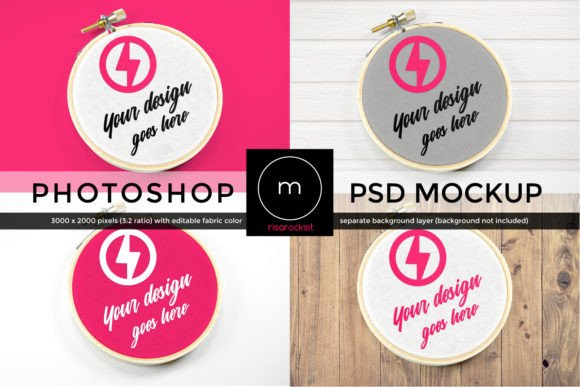
As a handmade business owner who has spent years refining my workflow from the cutting mat to the final Etsy listing, I know that presentation is just as critical as the craft itself. Recently, I integrated the Embroidery Hoop Product Mock Up into my digital asset library, and it has quickly become a staple in my branding toolkit. This isn't just another clipart file; it is a strategic tool for visualizing how vinyl SVG designs and embroidered textures will look in a real-world setting. For those of us balancing Cricut projects, Silhouette cuts, and printable designs, having a realistic backdrop can make the difference between a browser scrolling past and a customer clicking "Add to Cart."
First Impressions: Setting the Mood for Your Brand
When I first opened the files, the immediate impression was one of understated elegance and tactile warmth. The mockup captures the cozy, rustic charm that is currently dominating the handmade market. It feels inviting, suggesting a slow-living aesthetic that appeals to buyers looking for personalized, heartfelt gifts. Whether you are selling farmhouse-style decor, bohemian nursery art, or minimalist wedding favors, this asset creates a mood that is both premium and approachable. It doesn't scream for attention; instead, it provides a sophisticated stage for your actual design work to shine. For small business branding, this consistency in visual tone helps build trust with your audience, signaling that your products are high-quality and thoughtfully presented.
Real-World Applications for Crafters and Sellers
The versatility of this Embroidery Hoop Product Mock Up extends far beyond simple embroidery previews. In my shop, I use it to bridge the gap between digital files and physical products. Here is how I am currently leveraging this graphic design asset across different product lines:
- Vinyl and SVG Showcases: If you sell cut files, showing them applied to a textured fabric background gives customers a better sense of scale and texture than a flat white background ever could. It helps them visualize how their Cricut project or Silhouette project will look when ironed onto a tote bag or pillow.
- Sublimation Design Previews: For those creating t-shirt designs or mug designs, placing your artwork within the hoop context allows you to test color contrasts. You can see if your pastel tones get lost against the fabric or if bold colors pop effectively.
- Printable Wall Art and Planner Pages: Even if you don't sell physical hoops, using this frame as a decorative element in printable design layouts adds a touch of whimsy. It works beautifully for nursery decor prints, wedding signage templates, or divider pages in digital planners.
- Sticker Design and Tumbler Wraps: While not a direct application for curved surfaces, using the hoop as a border element in your sticker sheet layouts can create a cohesive collection theme, especially for nature-inspired or floral illustration bundles.
Where This Asset Shines in Your Shop
This mockup is particularly effective for seasonal craft bundles and gift-oriented products. During the holiday rush, I found that using this frame for my Christmas ornament previews increased engagement significantly. It works best when you want to highlight a central motif—such as a monogram, a floral wreath, or a festive quote. Because the background and fabric colors are customizable, you can easily adapt the image to match your specific seasonal collections. For example, switching to a deep green fabric for winter or a soft pastel for spring allows you to keep your branding consistent while refreshing your look. It is an ideal solution for Etsy product listings where you need to show variety without photographing every single physical item.
Technical Considerations and Careful Usage
While this is a powerful tool, it requires a careful eye to ensure professional results. There are specific scenarios where you should use this asset with caution. First, avoid placing designs with very small cutting details or thin lines inside the hoop if the resolution of your final export is not high enough. Intricate lace patterns or tiny text may become muddy when scaled down for web use. Additionally, be mindful of contrast. If you choose a dark fabric color, ensure your SVG design or PNG design has sufficient brightness to remain readable. Low-contrast combinations can frustrate customers trying to preview your work on mobile devices.
Another common pitfall is crowded compositions. The hoop acts as a frame, so your design should breathe within that space. Overloading the center with too many elements can make the image feel cluttered and amateurish. For layered vinyl projects, simplify the layout to ensure the depth and dimension are clear. Always test your file before selling finished products or using it in commercial design campaigns. Check if the SVG lines are clean and closed, and preview the PNG transparency to ensure there are no jagged edges around the hoop itself.
Practical Crafter Notes for Best Results
To get the most out of this Embroidery Hoop Product Mock Up, I recommend following a few practical steps in your workflow. First, always confirm the commercial license terms. While most assets from creative marketplaces allow for use in end products like printed mugs or shirts, some restrict using the mockup file itself as a standalone digital product. Clarify this before adding it to your design bundle offerings.
Second, experiment with typography pairings. This frame pairs exceptionally well with script fonts and handwritten font styles, enhancing the handmade feel. However, for a more modern look, try pairing it with a clean sans serif font or a bold display font. The contrast between the organic texture of the fabric and the sharpness of modern type can be striking.
Third, resize and adapt. Don't just use the default size. Scale the hoop to fit different aspect ratios for Instagram stories, Pinterest pins, and Etsy thumbnails. Place it on real mockups of your workspace to add authenticity. Finally, test colors rigorously. What looks good on your calibrated monitor might look different on a customer's phone. Create variations with light and dark backgrounds to ensure your design assets are versatile enough for all your marketing channels.
In conclusion, integrating this realistic Photoshop mockup into your workflow is a smart move for any serious handmade business designer. It elevates your product photography, saves time on physical staging, and provides a consistent, professional look across your Frames and Graphics categories. By understanding its strengths and limitations, you can use it to create compelling visuals that drive sales and enhance your small business branding.