Frog Embroidery Wind Spinner: A Designer’s Review
As a designer who spends half my life staring at stitch simulations and the other half pulling bobbins out of tangled messes, I have learned to be skeptical of cute graphics until I see how they translate to thread. When I first pulled up the Frog Embroidery Wind Spinner, my initial reaction was one of cautious optimism. The visual personality is playful and whimsical, capturing that specific charm that sells well in the nursery decor and handmade gift markets. However, looking at a graphic on a screen is vastly different from watching a needle punch through fabric. This review breaks down how this design performs in real-world embroidery projects, moving beyond the pixel preview to the tactile reality of a finished product.
First Impressions and Visual Mood
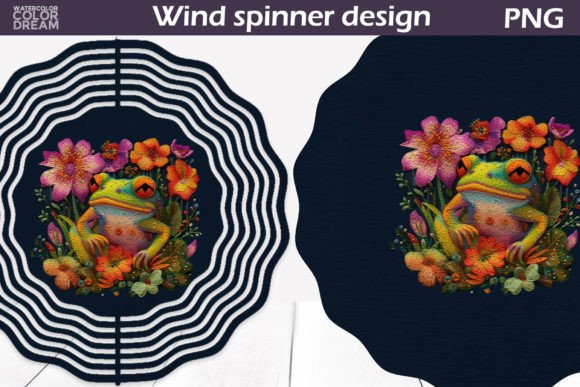
The immediate mood created by the Frog Embroidery Wind Spinner is lighthearted and energetic. It fits squarely into the category of Crafts that appeal to families, children, and anyone looking for a touch of nature-inspired whimsy. The layout suggests movement, which is essential for a design intended to evoke the feeling of a wind spinner, even when static on fabric. For an embroidery designer, the key question is always about detail retention. Does the charm survive the transition from digital Graphics to physical thread?
In this case, the design relies on strong shapes rather than microscopic details. This is a positive trait for machine embroidery. Intricate, tiny lines often get lost or cause thread breaks, but bold, clear shapes tend to stitch out cleanly. The frog motif is recognizable and friendly, making it an excellent candidate for products where instant visual recognition is key, such as quick-turnaround custom orders or craft fair merchandise.
Real-World Application: From Screen to Stitch
To truly evaluate the Frog Embroidery Wind Spinner, I mentally placed it into several common production scenarios. Imagine a customer ordering a personalized tote bag for a garden lover. This design would sit beautifully on a canvas tote, acting as a central focal point. The playful nature of the frog complements the utilitarian vibe of a garden bag, adding a layer of personality that generic text alone cannot achieve.
Consider also sweatshirt embroidery. A crewneck sweatshirt in a soft heather grey or pastel green would provide a neutral backdrop that allows the colors of the frog to pop. Here, the design works well because it doesn’t require excessive density that might make the garment stiff or uncomfortable against the skin. For baby embroidery, such as a onesie or a burp cloth, the gentle theme is appropriate. However, one must be mindful of the scale. On smaller items, the design needs to be resized carefully to ensure it doesn’t overwhelm the limited surface area.
For Etsy sellers and small shop owners, versatility is currency. This design could easily be adapted for an embroidered patch, which is currently a trending item. Patches require clean edges and good saturation, and if the design utilizes effective fill stitch techniques, it will hold up well to the wear and tear a patch endures. It could also serve as a charming accent on kitchen towels or aprons, appealing to customers who enjoy cooking with a sense of humor.
Technical Considerations and Fabric Choices
While the aesthetic is strong, the technical execution requires attention. One of the most critical factors is fabric texture. On smooth, tightly woven cotton or polyester blends, the Frog Embroidery Wind Spinner will likely look crisp and professional. However, on textured fabrics like terry cloth or heavy linen, some of the finer details might get lost in the pile or weave. In such cases, using a cut-away stabilizer is non-negotiable to prevent distortion and ensure the stitches lay flat.
Dark fabrics present another challenge. If you are stitching this design on a black or navy garment, you must consider the underlay. Without proper coverage, the background fabric might peek through the lighter colors of the frog. A dense satin border or a solid fill background within the design can help mitigate this, but it adds to the stitch count and production time. Always test your thread colors against your fabric choice. High contrast is generally more appealing and easier to read from a distance, which is crucial for retail displays.
Stretchy fabrics, such as those used for t-shirts or athletic wear, require careful handling. The hoop size must be appropriate to keep the fabric taut without stretching it out of shape before stitching begins. If the design is large, consider using a floating method with strong adhesive stabilizer to avoid hoop burns on delicate knits. For curved surfaces like caps, the design placement is critical. It should be centered and scaled so that it does not wrap too far around the curve, which can cause visual distortion.
Commercial Viability and Brand Consistency
For those running a craft business, the Frog Embroidery Wind Spinner offers good potential for commercial embroidery projects. It is the type of design that encourages impulse buys, especially during spring and summer seasons or for frog-themed events. When creating printable mockup images for your online store, ensure that the digital representation matches the quality of the actual stitched item. Misleading previews can lead to returns and negative reviews.
Brand consistency is also vital. If your shop specializes in rustic, minimalist designs, this playful frog might feel out of place. However, if your brand identity is colorful, family-friendly, and fun, this design aligns perfectly. It enhances the perceived value of a personalized gift by adding a unique, artistic element that mass-produced items lack. Customers are willing to pay more for items that feel handcrafted and thoughtful, and a well-executed embroidery project delivers exactly that.
Practical Designer Notes for Best Results
Before committing to a full production run, follow these practical steps to ensure success with the Frog Embroidery Wind Spinner:
- Test on scrap fabric: Always stitch a sample on the exact fabric and stabilizer combination you plan to use for the final product. This reveals any tension issues or color clashes.
- Check stitch density: Review the design file to ensure the density is appropriate for your fabric. Too dense, and the fabric puckers; too sparse, and the background shows through.
- Verify licensing: The product description notes that this is not an SVG file and is intended for direct print or sublimation application. It is crucial to confirm whether you have the rights to use this graphic for embroidery purposes or if it is strictly for printed applications. Never assume a digital file is universally compatible across all crafting methods.
- Inspect small details: Zoom in on the design preview. Are there tiny isolated stitches that might cause bird nests? If so, you may need to edit the file or choose a simpler version.
- Contrast check: View the design in black and white to assess its structural integrity. If the shape is unclear without color, it may not stitch out clearly either.
In conclusion, the Frog Embroidery Wind Spinner is a charming asset for designers who understand its limitations and strengths. It shines in casual, playful applications and works best on stable, smooth fabrics with proper stabilization. By treating it with the technical respect it deserves, you can create high-quality finished products that delight customers and strengthen your brand reputation. Whether for a holiday embroidery project or a year-round staple in your shop, this design has the potential to be a winner if executed with care and precision.