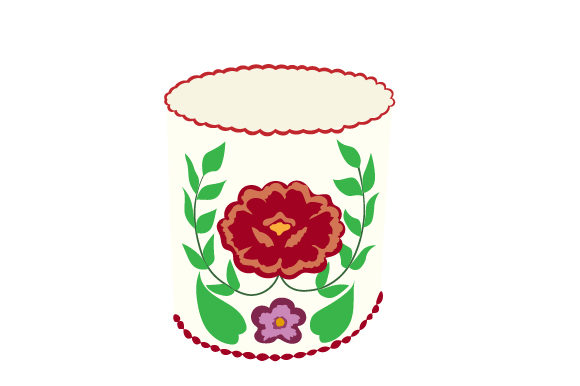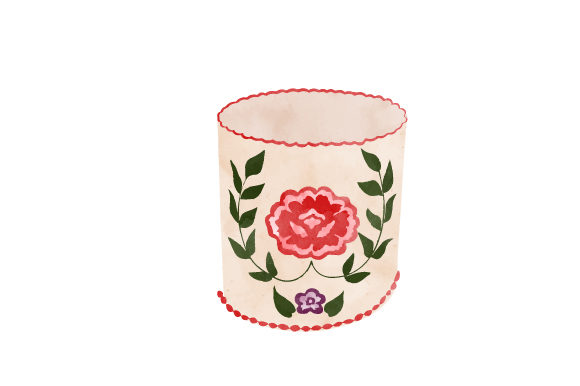
Review: Mexican Embroidery Cake, One Layer Watercolor
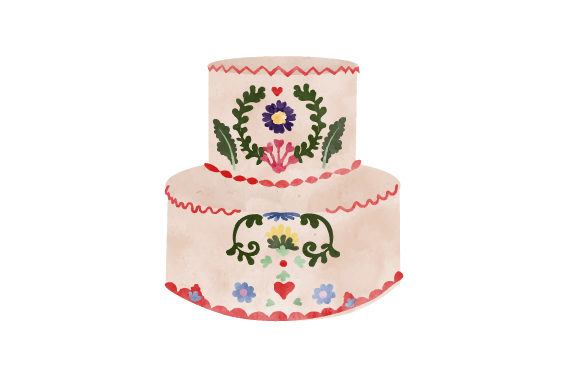
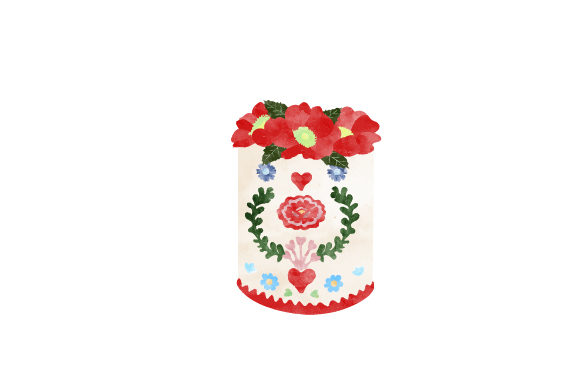
As a designer who spends more time staring at stitch simulations than I do sleeping, I have learned to be skeptical of "watercolor" style digital assets. Often, they look beautiful on a screen but turn into a muddy mess under the needle. However, when I first loaded Mexican Embroidery Cake, One Layer Watercolor into my software, I paused. The concept is charmingly specific: a fusion of traditional Mexican folk art motifs with the soft, bleeding edges of watercolor painting, applied to a cake illustration. It is whimsical, culturally rich, and visually distinct. But does it hold up in a real-world embroidery project? I put this design through its paces to see if it belongs in your craft business toolkit.
First Impressions: Mood and Visual Personality
The immediate vibe of this design is celebratory and artisanal. It captures the spirit of Mexico’s vibrant craft traditions without relying on clichés. The "one layer" aspect suggests simplicity, which is often a double-edged sword in machine embroidery. Simplicity can mean elegance, or it can mean a lack of depth. In this case, the watercolor effect relies heavily on color blending rather than complex stitch structures. This creates a soft, approachable aesthetic that feels handmade even before a single thread is pulled.
For an Etsy seller or boutique owner, this mood is invaluable. It speaks to customers looking for personalized gifts that feel thoughtful and unique. It is not aggressive or overly corporate; it is warm. This visual personality makes it ideal for items meant to convey joy, such as birthday gifts, baby showers, or housewarming presents. The layout is balanced, with the cake serving as a central focal point that draws the eye without overwhelming the surrounding fabric.
Real-World Application: From Screen to Stitch
To test the practicality of Mexican Embroidery Cake, One Layer Watercolor, I imagined a specific scenario: a custom order for a local bakery wanting branded tote bags for their special event packages. The goal was to create a tote bag design that looked artistic but remained durable enough for regular use.
I simulated the design on a canvas tote. Because the design utilizes a watercolor style, the transition between colors is critical. In machine embroidery, we achieve this through careful thread selection and stitch direction. The design performs best when you use high-quality rayon or polyester threads that have a slight sheen, mimicking the wet look of watercolor paint. I found that using a satin stitch for the outlines and a lighter fill stitch for the interior color blocks maintained the integrity of the image. If you rely too heavily on dense stitching, you lose the airy, painted feel. If you go too light, the fabric shows through, breaking the illusion.
Beyond tote bags, this design shines in sweatshirt embroidery. The softness of the watercolor aesthetic complements the cozy texture of fleece or cotton blends. It would make a stunning back-piece for a crewneck, offering a large canvas for the color gradients to breathe. For baby embroidery projects, such as bibs or onesies, the playful subject matter is perfect. However, you must adjust the stitch density significantly for infant skin and delicate fabrics to ensure comfort.
Navigating Technical Challenges
While the design is visually appealing, it requires careful handling in certain contexts. The term "one layer" can be misleading if you expect a flat, single-color run. In embroidery, achieving a watercolor look usually requires multiple thread colors changing frequently. You must check your machine’s capability for automatic thread trimming and color changes. If your machine struggles with frequent stops, this design might take longer to stitch than anticipated.
Fabric choice is paramount. This design struggles on highly textured fabrics like terry cloth or heavy wool, where the fine details of the watercolor bleed can get lost. It performs best on smooth, tightly woven cottons, linens, or stable poly-blends. When working with stretchy fabric like jersey knits for t-shirts, a cut-away stabilizer is non-negotiable. Without it, the stitches will pucker, distorting the cake’s shape and ruining the watercolor effect.
Another consideration is the hoop size. Ensure you have a hoop large enough to accommodate the full width of the cake without cropping. Crowding the design into a small 4x4 hoop will compress the details, making the watercolor transitions look blocky rather than smooth. Always leave adequate margin around the design for proper hooping tension.
Commercial Value and Brand Consistency
For small shop product lines, consistency is key. Mexican Embroidery Cake, One Layer Watercolor offers a unique niche. It bridges the gap between traditional Crafts from Mexico and modern digital design trends. Using this asset can help establish a brand identity that is culturally appreciative and artistically sophisticated. It stands out in a sea of generic floral or typographic designs.
When selling finished product items, such as embroidered patch goods or custom apparel, the perceived value increases with the complexity of the color work. Customers associate multi-thread color blends with higher effort and skill. This design allows you to charge a premium because it looks intricate, even if the stitch count is managed efficiently. It enhances buyer engagement on social media platforms where visual appeal drives clicks. A well-stitched version of this design photographs beautifully, providing excellent content for your printable mockup portfolios and Instagram feeds.
Designer Notes for Best Results
Before you commit to a large production run, follow these practical steps:
- Test on Scrap Fabric: Always stitch a sample on the exact fabric you plan to use. Check for puckering and thread breaks.
- Check Thread Contrast: Lay out your physical spools next to each other. The watercolor effect depends on subtle shifts in hue. Ensure your thread colors blend smoothly rather than jumping abruptly.
- Review File Formats: You will receive this design in SVG, Transparent PNG, EPS, and DXF formats. Note that these are primarily vector and image formats. For machine embroidery, you may need to digitize these files further or convert them using specialized software if a native PES or DST file is not explicitly provided. Confirm the specific machine compatibility before purchase.
- Inspect Small Details: Zoom in on the digital file. Look for tiny, isolated stitches that might cause nesting or bird-nesting on your machine. Trim or merge these nodes if necessary.
- Light vs. Dark Backgrounds: Test the design on both white and black fabric. You may need to add an underlay or adjust thread colors for dark fabrics to ensure the watercolor vibrancy pops.
- Licensing Verification: If you plan to use this for commercial embroidery or sell digital embroidery file derivatives, strictly review the license terms. Ensure you have the right to sell finished items made with this design.
Final Verdict
Mexican Embroidery Cake, One Layer Watercolor is a strong contender for designers looking to add cultural flair and artistic softness to their portfolio. It is not a plug-and-play solution for every fabric type, but with proper stabilizer selection and thread management, it produces stunning results. It is particularly effective for holiday embroidery, boutique branding, and personalized gifts where emotional connection matters. By respecting the technical requirements of the watercolor style, you can transform this digital asset into a high-value handmade product that resonates with customers. It is a reminder that in embroidery, as in painting, the magic lies in the blend.