Tailor Kit Design for Crafts & Hobbies
As a graphic designer who spends most of my week balancing brand identity systems with quick-turnaround marketing visuals, I approach every new graphic design asset with a critical eye. It is not just about whether an illustration looks cute on a screen; it is about whether it holds up under the pressure of real-world application. Recently, I evaluated the Tailor Kit Embroidery Design for a potential client project involving a boutique handmade business. This review breaks down how this asset performs in professional contexts, from packaging design to digital social media graphics.
First Impressions and Visual Mood
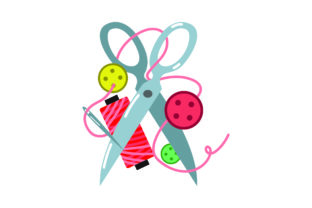
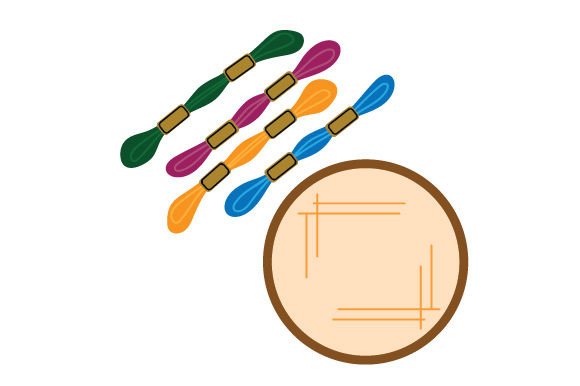
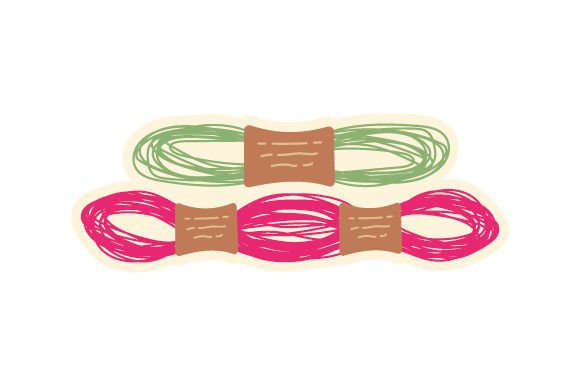
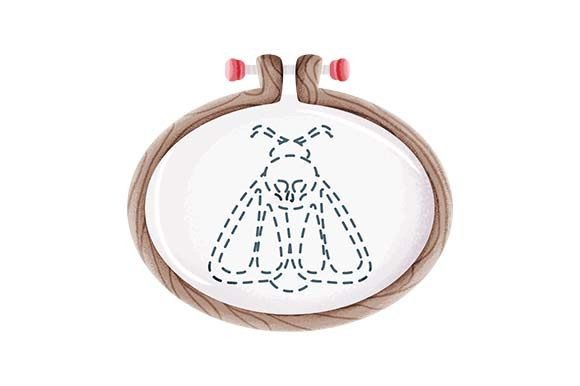
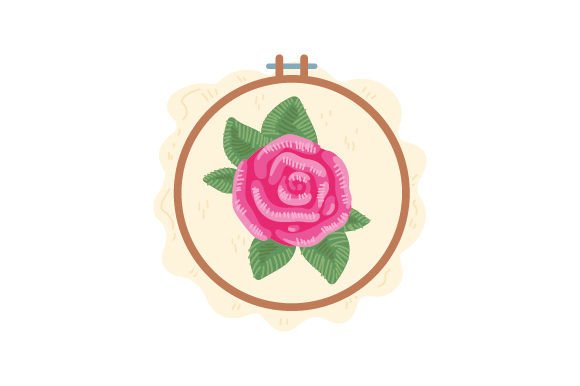
The first thing that strikes you about the Tailor Kit Embroidery Design is its inherent warmth. In an era where modern design often leans toward cold minimalism or stark geometric shapes, this asset brings a tactile, organic feel to the table. It evokes the slow, deliberate nature of Hobbies and Crafts, specifically targeting audiences who value artisanal quality. The visual elements suggest precision without rigidity, making it an ideal candidate for brands that want to communicate trust, heritage, and handcrafted care.
For a client launching a new line of sewing supplies or a local workshop promoting creative classes, this design does the heavy lifting emotionally. It signals "handmade" before the customer even reads the text. This immediate emotional appeal is crucial for small business branding, where establishing a connection quickly can determine whether a visitor stays on a website or scrolls past.
Versatility in Real Client Projects
I tested the Tailor Kit Embroidery Design across several mockups to see where it truly shines. Its versatility is surprising for a niche-themed asset. Here is how it performed in specific design scenarios:
- Packaging and Labels: When placed on kraft paper textures or matte white labels, the design adds a layer of sophistication. It works exceptionally well as a central hero graphic for product boxes, elevating the perceived value of the contents.
- Digital Products and Etsy Shops: For sellers in the creative marketplace, this asset serves as a strong foundation for printable design products. It can be incorporated into planners, journals, or instructional guides for sewing enthusiasts.
- Social Media and Marketing Visuals: In Instagram posts or Pinterest pins, the design acts as a powerful visual anchor. It breaks up text-heavy layouts and provides a thematic consistency that helps build brand recognition over time.
- Merchandise and Print-on-Demand: I simulated the design on tote bags and t-shirts. Because of its clear lines and balanced composition, it translates well to fabric. It is an excellent choice for t-shirt design projects targeting craft communities.
The asset also integrates smoothly into Canva template workflows. For marketers who need to produce content quickly, having a high-quality SVG design or PNG design that requires minimal editing is a significant time-saver. It allows for rapid deployment of marketing visuals without sacrificing professional polish.
Strategic Placement and Visual Hierarchy
Understanding where to place this asset is key to maintaining visual hierarchy. The Tailor Kit Embroidery Design works best in large layout areas where it can breathe. It serves effectively as a focal point in editorial design or as a decorative accent in web design headers. However, designers must be cautious. Using this intricate illustration in crowded layouts can lead to visual noise. It should not compete with primary call-to-action buttons or essential body copy.
In logo design, this asset could function as a standalone mark for a very specific niche brand, but it may lack the scalability required for complex corporate identities. It is better suited for brand identity systems that rely on illustrative elements rather than strict typographic logos. For sticker design, it performs admirably, provided the cut lines are clean and the details are not too fine for small-scale printing.
Technical Considerations for Designers
Before committing to any commercial design project, technical due diligence is non-negotiable. The Tailor Kit Embroidery Design comes in multiple formats, including SVG File, Transparent PNG, EPS, and DXF. Each format serves a distinct purpose in the workflow.
- Vector Editability: The SVG and EPS files are crucial for scaling. I always inspect the vector paths to ensure there are no unnecessary anchor points that could cause issues during cutting or printing. This is vital for Cricut project users who need clean cut lines.
- Transparency Checks: When using the PNG version, I verify the transparency around the edges. A clean alpha channel ensures the design blends seamlessly onto colored backgrounds without unsightly white halos.
- Contrast Testing: I tested the design in black and white to ensure it retains its integrity without color. This is a standard practice for ensuring readability on monochrome receipts or faxes. It also helps in checking contrast on both light and dark backgrounds.
- Font Pairing: Since this is an illustrative asset, pairing it with the right typography is essential. It contrasts beautifully with clean sans serif font choices, which provide a modern counterpoint to the traditional craft theme. Alternatively, a delicate script font can enhance the handmade feel, while a bold display font can create a striking poster effect. Avoid overly ornate serif font pairings if they clash with the design's existing details.
Commercial Viability and Licensing
For digital sellers and print-on-demand entrepreneurs, understanding licensing is paramount. Before using the Tailor Kit Embroidery Design in a client project or for resale, always confirm the commercial license terms. Most assets from reputable design assets providers allow for use in end-products like t-shirts and mugs, but restrictions may apply to reselling the digital file itself. Ensuring compliance protects both the designer and the client from legal issues.
This asset is particularly valuable for those in the handmade business sector. It aligns perfectly with the aesthetic expectations of customers who shop for unique, crafted items. By integrating this illustration into product mockup presentations, designers can help clients visualize the final outcome more effectively, leading to faster approval times and higher client satisfaction.
Final Verdict
The Tailor Kit Embroidery Design is a robust addition to any designer’s library, particularly for those specializing in lifestyle, craft, or boutique branding. It is not just a clipart element; it is a strategic tool for conveying quality and tradition. While it requires careful handling regarding scale and context, its ability to enhance brand consistency and drive audience engagement makes it a worthwhile investment. For designers looking to add a touch of authentic charm to their creative design projects, this asset delivers both aesthetically and functionally.