Embroidery Base Heart: Laser Cutting & Other Art
As a graphic designer who spends half my life tweaking kerning and the other half prepping files for production, I have learned to be skeptical of digital assets. We all know the pain of downloading a "cute" clipart file only to find it is pixelated, poorly layered, or stylistically inconsistent with high-end branding. However, when I recently pulled the Embroidery Base Heart Digital File Valen into my workspace for a client’s upcoming spring campaign, my initial skepticism quickly turned into professional appreciation. This was not just a generic shape; it was a textured, tactile element that brought immediate warmth to a sterile digital canvas.
First Impressions: Texture Meets Digital Precision
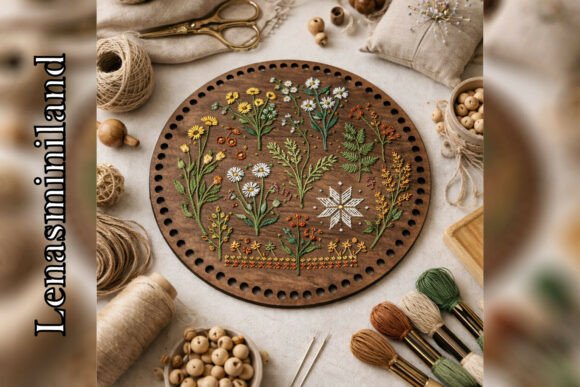
The first thing that strikes you about this asset is its inherent mood. In an era where flat design and ultra-minimalism often dominate the creative marketplace, there is a growing hunger for elements that feel handmade and authentic. This digital embroidery base heart design captures that essence perfectly. It does not look like a sterile vector drawn in Illustrator; it looks like thread pulled through fabric. For a designer, this texture is gold. It adds depth without requiring complex shading or lighting effects in post-production.
I was initially reviewing this for a boutique candle brand looking to launch a limited-edition Valentine’s collection. The client wanted to avoid the cliché bright reds and glossy hearts typical of February marketing. Instead, they wanted something soft, artisanal, and grounded. The Embroidery Base Heart Digital File Valen fit this brief immediately. Its organic edges and simulated stitch patterns evoke a sense of care and craftsmanship, which aligns perfectly with handmade business aesthetics. Whether categorized under Other Art or utilized for Laser Cutting simulations, the visual weight of the design feels substantial and trustworthy.
Integrating the Asset into Real Client Projects
So, how does this hold up in actual design workflows? I tested the file across several mediums to gauge its versatility. Here is where it shines:
- Packaging Design: I placed the heart on a matte kraft paper label mockup. The contrast between the rough paper texture and the detailed embroidery simulation created a sophisticated, earthy look. It worked beautifully as a central focal point for a product mockup, drawing the eye without overwhelming the typography.
- Social Media Graphics: For Instagram posts, the asset served as an excellent decorative accent. When paired with a clean sans serif font, the heart softened the overall composition, making the marketing visuals feel more approachable and less corporate. It is ideal for creating cohesive Pinterest pins or story highlights for lifestyle brands.
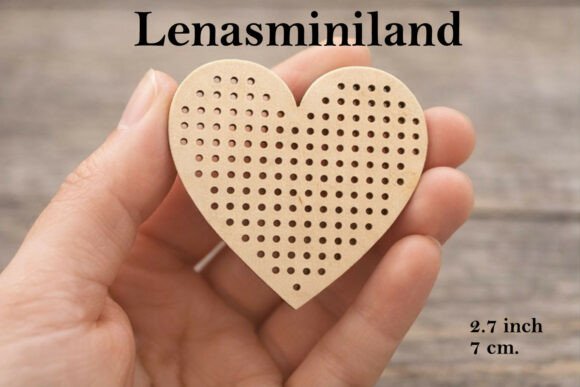
- Print-on-Demand Applications: I simulated how this would look on a tote bag and a ceramic mug. Because the design measures approximately 2.7 inches (7 centimeters) in both height and width, it is perfectly scaled for smaller merchandise items. It does not need to be stretched or distorted, preserving the integrity of the "stitches."
This versatility makes it a strong candidate for any design bundle aimed at creators who need quick, high-impact elements. Whether you are working on a Cricut project or designing a complex editorial design layout, the asset bridges the gap between digital precision and analog charm.
Strategic Placement and Visual Hierarchy
Understanding where to place this asset is crucial for maintaining visual hierarchy. Because the embroidery texture is detailed, it commands attention. I found it works best in large layout areas or as a hero graphic on landing pages. It also performs well as a decorative accent in packaging design, such as on tissue paper seals or thank-you cards included in e-commerce shipments.
However, designers must use caution. I would advise against using this asset in crowded layouts or behind small body text. The intricate details of the simulated threads can create visual noise if the background is too busy or if the contrast is low. For minimalist branding or strict corporate materials, this might be too playful or textured. It thrives in contexts that celebrate imperfection and warmth, such as wedding invitations, boutique retail branding, or seasonal campaigns.
Readability and Brand Consistency
One of my primary concerns when introducing textured elements is readability. Does the asset distract from the message? In my tests, pairing the Embroidery Base Heart Digital File Valen with a bold display font or a flowing script font created a harmonious balance. The heart acts as an emotional anchor, reinforcing themes of love and care, which enhances audience engagement. It helps build brand identity by signaling that the brand values tradition and quality.
For small business branding, consistency is key. If you use this heart in your Etsy product listings, ensure you carry that same textured aesthetic into your web design and email headers. This creates a cohesive narrative that builds visual trust with your customers.
Practical Designer Notes for Commercial Use
Before you drop this into a client’s final deliverable, here are some technical checks I performed. These steps are essential for any professional handling a graphic design asset intended for commercial use.
- Test in Black and White: Always desaturate the asset to see how it holds up without color. This helps you understand its value structure and ensures it will work if printed in monochrome.
- Check Contrast: Preview the heart on both light and dark backgrounds. The embroidery effect relies on subtle shadows and highlights, so ensure there is enough contrast for the details to pop.
- Inspect File Formats: Verify if you are receiving a PNG design with transparency or an SVG design. For Laser Cutting or vinyl cutting, an SVG is preferable for clean paths. For digital sublimation design or web use, a high-resolution PNG is ideal.
- Scale Testing: Preview the asset at small sizes (like a favicon or sticker) and large sizes (like a poster). At 2.7 inches, it is versatile, but ensure the stitch details do not blur when scaled down significantly.
- Licensing Verification: Always confirm the commercial license terms. As a designer, I need to know if I can use this in logos, t-shirt design, or resellable Canva template products. Clear licensing protects both you and your client.
Final Verdict: A Versatile Tool for Modern Designers
In conclusion, the Embroidery Base Heart Digital File Valen is more than just a seasonal clipart item. It is a thoughtful digital product that solves a specific design problem: how to add warmth and texture to digital spaces. For designers working with print-on-demand sellers, boutique owners, or content creators, this asset offers a quick way to elevate the perceived value of a project.
It fits seamlessly into the workflow of anyone creating social media graphics, stickers, or printable wall art. While it requires careful placement to avoid clutter, its ability to convey emotion and craftsmanship makes it a valuable addition to any designer’s library. If you are looking to infuse your next commercial design with a touch of handmade soul, this heart is worth considering. It reminds us that even in a digital world, the feeling of something stitched by hand still resonates deeply with audiences.