Reviewing the Wooden Embroidery Template Laser Cut
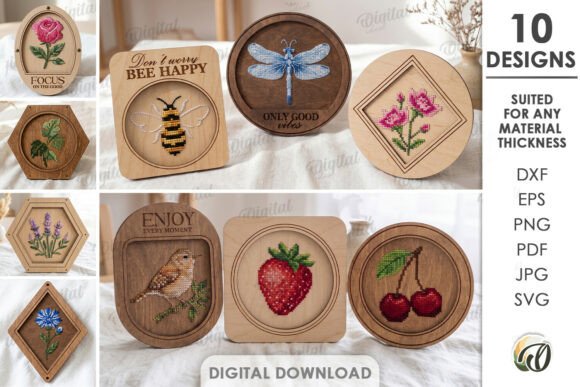
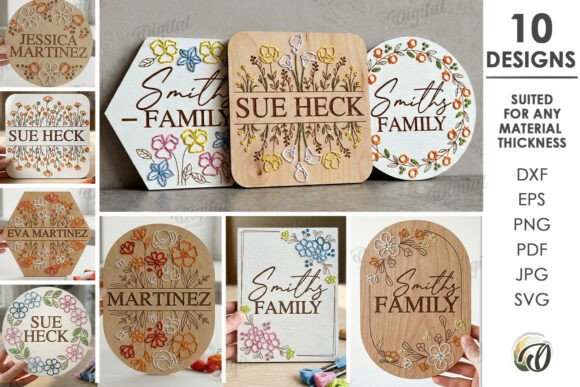
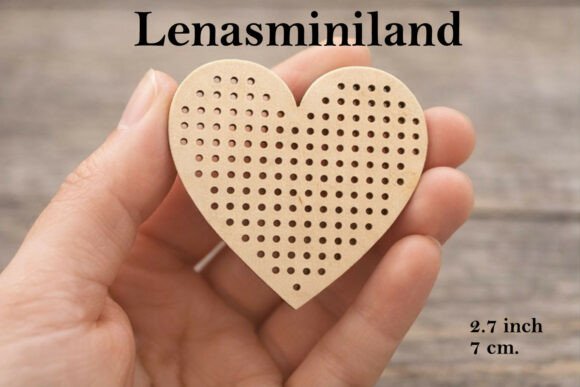
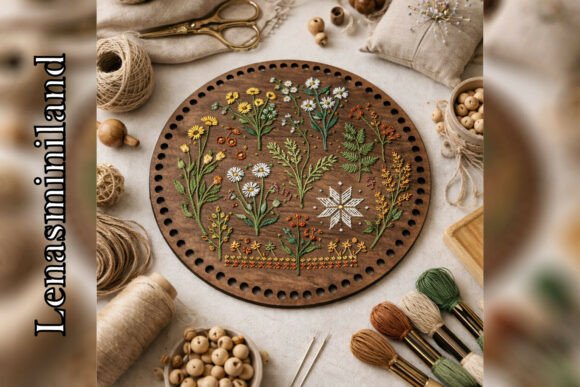
As a designer who has spent years digitizing patterns and testing them on everything from stiff denim to delicate baby knits, I approach every new machine embroidery design with a critical eye. It is not just about whether the image looks pretty on a screen; it is about how those lines translate into thread, tension, and texture on real fabric. Recently, I evaluated the Wooden Embroidery Template Laser Cut, and while the name suggests a physical object, it is crucial to clarify upfront: this is a digital product. Specifically, it is a vector file intended for laser cutting, falling under the category of Other Art and Laser Cutting. However, for the modern craft entrepreneur, the line between laser-cut templates and embroidery guides is increasingly blurred. Let’s explore how this asset performs in a real-world design workflow.
First Impressions and Visual Personality
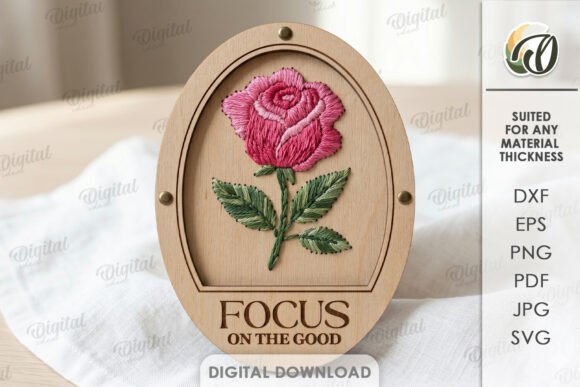
When I first opened the SVG file included in the zip folder, my immediate observation was the cleanliness of the paths. In the world of design assets, messy vectors are a nightmare. They lead to jagged cuts or confusing stitch paths if you attempt to convert them for embroidery machines. This template, however, exhibited smooth curves and logical anchor points. The mood it creates is rustic yet refined, evoking the warmth of natural materials even though it exists purely as code.
The layout is balanced, suggesting a design that respects negative space. For an embroidery designer, this is vital. Overly dense designs often pucker fabric, especially on lighter materials. The visual personality of this template leans towards minimalist craftsmanship, making it versatile. It does not scream for attention with excessive detail; instead, it offers a structured foundation that allows the maker to decide how to embellish it. Whether you view it as a stencil for painting, a guide for hand stitching, or a cut-out for mixed media, its strength lies in its adaptability.
Real-World Application: The Custom Tote Bag Scenario
To truly test the viability of any design, I imagine it in a specific commercial context. Let’s say I am preparing a batch of custom canvas tote bags for a local farmer’s market. These are not just generic bags; they are premium, heavy-weight cotton canvases intended for everyday use. Here is where the Wooden Embroidery Template Laser Cut concept comes into play, not as the final stitch, but as the precision guide.
If I were using this SVG to create a physical wooden stamp or a laser-cut stencil to apply paint before adding embroidered accents, the precision of the laser cut file is paramount. Imagine placing the laser-cut template on the bag, applying a light wash of fabric ink, and then using that outline to guide a satin stitch border or a running stitch detail. The result is a handmade product that looks professionally aligned. Customers react positively to symmetry and clean lines. A crooked design, no matter how beautiful the thread colors, undermines perceived value. This template ensures that the foundational shape is perfect every time, enhancing the professionalism of the finished product.
Performance Across Different Products
Beyond tote bags, this digital file has significant potential for various custom apparel and home decor items. For sweatshirt embroidery, where fabric thickness can distort simple markings, using a laser-cut guide helps maintain placement accuracy before hooping. If you are creating baby embroidery items like onesies or bibs, the gentle, organic shapes often associated with wooden-style templates fit the aesthetic perfectly. However, one must be cautious with stretchy fabric. Always use a proper stabilizer to prevent the design from warping during the stitching process.
For Etsy sellers and small shop owners, versatility is key. This template could serve as the basis for an embroidered patch. By laser cutting the shape from felt or leather, you create a base that can then be edged with a dense zig-zag or satin stitch. This hybrid approach combines Laser Cutting precision with textile softness, creating a unique small shop product that stands out in a saturated market. It also works beautifully for holiday embroidery projects, such as ornament tags or personalized gift labels, where crisp edges define the quality of the item.
Critical Considerations and Limitations
While the potential is high, there are areas where caution is necessary. Since this is a vector file for laser cutting, it does not contain stitch data. You cannot simply load this SVG into your embroidery machine and expect it to sew. You must either use it as a physical template or convert it using digitizing software. If you choose to digitize it yourself, pay close attention to stitch density. Converting sharp laser-cut corners directly into thread can result in bulky knots if not properly under-stitched.
Additionally, consider the scale. If you are working with a small hoop size, ensure the template is resized appropriately. Tiny details in a laser-cut design may become lost when translated to thread, especially on textured fabrics like terry cloth or wool blends. For dark fabric, remember that the template itself is just a guide; you will need high-contrast thread colors to make the final embroidery pop. Testing on scrap fabric is non-negotiable. Check how the design behaves on both light and dark backgrounds to ensure visibility and aesthetic balance.
Enhancing Brand Consistency and Value
For creative entrepreneurs, consistency builds trust. Using a precise template like this ensures that every item in your collection, whether it is a pillow cover or a kitchen towel, shares the same proportional integrity. This consistency strengthens brand recognition. When customers see a well-executed, symmetrical design, they associate it with quality. This perception allows for higher pricing and better customer retention.
Furthermore, this digital file aids in creating professional printable mockups. Before you stitch a single thread, you can overlay the SVG onto photos of your products in Photoshop or Canva. This allows you to visualize the final look, experiment with thread colors, and create compelling marketing images for your online store. It saves time and materials by allowing you to vet the design’s visual appeal digitally first.
Practical Designer Notes for Best Results
- Verify File Compatibility: Ensure your laser cutter or digitizing software accepts SVG files. While SVG is universal, some older machines may require conversion.
- Test on Scrap Fabric: Never skip this step. Test the scale and placement on the exact fabric type you intend to use for the final embroidery project.
- Check Licensing: Although this is a digital product, always confirm the license terms. Can you use the resulting designs for commercial sales? Most designers allow it, but verification is essential for commercial embroidery businesses.
- Contrast is Key: When using the template as a guide for hand or machine stitching, ensure your marking method (chalk, pen, or paint) contrasts sufficiently with the fabric but can be removed cleanly.
- Stabilizer Selection: Match your stabilizer to the fabric weight. Heavy canvas needs different support than lightweight cotton voile. Proper stabilization prevents puckering and ensures the design lays flat.
In conclusion, the Wooden Embroidery Template Laser Cut is a valuable tool for the modern maker. It bridges the gap between digital precision and tactile craftsmanship. By understanding its role as a guide rather than a direct stitch file, you can leverage its accuracy to elevate your personalized gift offerings and craft business items. It rewards those who take the time to plan, test, and execute with care, resulting in products that are not only beautiful but professionally constructed.