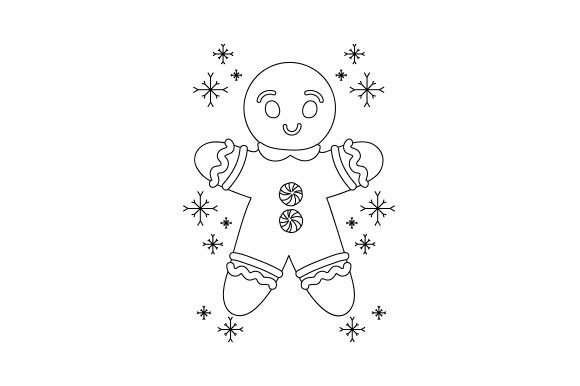
Gingerbread Cookie Craft for Christmas
As a brand designer who has spent over a decade refining visual identities for lifestyle brands and creative entrepreneurs, I approach every new graphic design asset with a critical eye. It is not just about whether an image looks cute; it is about whether it communicates the right emotional tone, scales effectively across platforms, and integrates seamlessly into a cohesive brand identity. Recently, I had the opportunity to review the Gingerbread Cookie - Embroidery Pattern for a seasonal campaign we were developing for a small business client specializing in handmade holiday goods. The goal was simple: create a warm, nostalgic, yet professional visual language that would stand out in a saturated Christmas market.
First Impressions and Emotional Resonance
The moment I opened the files for the Gingerbread Cookie - Embroidery Pattern, the immediate impression was one of tactile warmth. In an era where digital fatigue is real, designs that mimic physical textures—like embroidery stitches—perform exceptionally well because they trigger a sensory response. This illustration does not just look like a cookie; it looks like something crafted with care. For brands focusing on Crafts, handmade items, or artisanal products, this distinction is vital. It signals quality and effort before the customer even reads the product description.
The mood created by this asset is undeniably cozy and inviting. It leans heavily into nostalgia, making it an ideal fit for lifestyle content, family-oriented promotions, and heritage-style branding. However, from a professional branding perspective, I was pleased to note that the lines are clean enough to avoid looking cluttered. Many embroidery-style vectors can become messy when scaled down, but this design maintains its integrity, suggesting it was created with modern vector standards in mind.
Versatility Across Marketing Channels
A true test of any digital product intended for commercial use is its versatility. I tested the Gingerbread Cookie - Embroidery Pattern across several touchpoints in our mock campaign. For social media graphics, particularly Instagram posts and Pinterest pins, the design served as a strong focal point. When placed against a muted, neutral background, the intricate stitch details popped, encouraging users to stop scrolling. For content marketing purposes, such as blog headers or email banners, the asset provided a festive accent without overpowering the headline text.
We also explored its use in packaging design and product labels. Because the file formats include SVG, EPS, and DXF, scaling the image for a large holiday poster or a tiny sticker required no loss in quality. This flexibility is crucial for small business branding, where resources are limited, and assets must work harder. Whether used as a central element in a Canva template for holiday sales or as a subtle watermark on digital downloads, the pattern held its ground. It bridges the gap between playful clipart and sophisticated editorial design, making it suitable for both casual social updates and more polished marketing visuals.
Strategic Application in Brand Campaigns
To maximize the impact of this design bundle, context is everything. I found that the Gingerbread Cookie - Embroidery Pattern works best when used to reinforce a narrative of tradition and comfort. It is excellent for hero graphics on landing pages during the holiday season, where the primary goal is to establish an emotional connection. It supports audience trust by aligning the visual aesthetic with the values of warmth and authenticity that many consumers seek during the holidays.
In terms of visual hierarchy, this asset should be treated as a supporting actor rather than the entire stage. It shines when paired with ample white space and clear, readable typography. For digital ads, using the pattern as a border element or a corner accent can frame the call-to-action effectively, guiding the eye without causing distraction. It is particularly effective in printable design projects, such as holiday cards or gift tags, where the texture adds perceived value to the physical item.
Limitations and Design Considerations
While the Gingerbread Cookie - Embroidery Pattern is a robust asset, it is not a one-size-fits-all solution. Brand designers must exercise caution when applying it to formal corporate branding or minimalist aesthetics that rely on stark simplicity. The detailed nature of the embroidery effect can compete with dense information layouts. If you are designing a text-heavy flyer or a complex infographic, this SVG design might add unnecessary visual noise.
Additionally, contrast is key. On low-contrast backgrounds or busy patterns, the fine details of the stitches may get lost. I recommend testing the PNG design with transparency on various background colors to ensure visibility. For mobile-first designs, ensure that the scale is large enough for the details to be appreciated; otherwise, it may appear as a blurry blob on smaller screens. Always prioritize readability and clarity over decorative flair when the primary goal is conversion.
Practical Notes for Designers and Marketers
Before integrating this asset into your next campaign, consider these practical steps. First, test the color palette. While the default colors are charming, adjusting the hues to match your specific brand identity can create a more cohesive look. Second, check how the design pairs with different typography. I found it complemented serif fonts for a classic look and handwritten fonts for a personal touch, but it clashed slightly with overly modern, geometric sans-serifs.
Finally, always verify the licensing terms. Ensuring you have a commercial license is non-negotiable for client work or paid campaigns. This Gingerbread Cookie - Embroidery Pattern is a valuable addition to any creative marketplace toolkit, offering a blend of charm and professionalism. By understanding its strengths and limitations, you can leverage this design asset to create memorable, engaging, and visually consistent holiday campaigns that resonate with your audience.