Reviewing the Christmas Tree Ornament Embroidery Pattern
As a designer who has spent years digitizing and testing machine embroidery designs, I approach every new file with a mix of curiosity and skepticism. We have all been there: you download a cute holiday motif, load it onto your machine, and pray it doesn’t turn into a bird’s nest of thread breaks and puckering. Today, I am taking a close look at the Christmas Tree Ornament - Embroidery Pattern. This is not just about whether it looks pretty on a screen; it is about how it performs when the needle hits the fabric. For Etsy sellers, craft business owners, and hobbyists alike, understanding the practical application of a design is what separates a profitable product from a wasted hoop of stabilizer.
First Impressions and Visual Personality
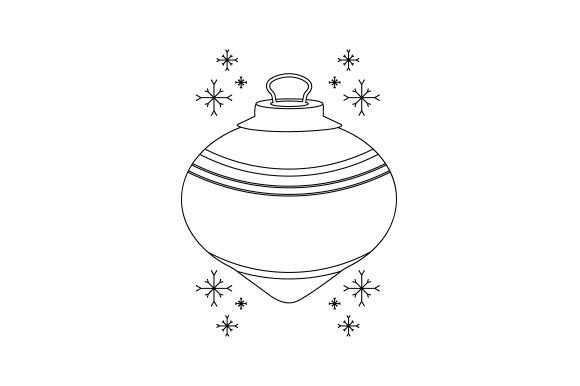
The first thing that strikes me about the Christmas Tree Ornament - Embroidery Pattern is its classic, nostalgic appeal. It captures the essence of traditional holiday decor without feeling overly cluttered. The layout is balanced, which is crucial for embroidery. Designs that are too dense in one area and sparse in another often lead to uneven tension issues during stitching. This pattern appears to have a thoughtful distribution of elements, suggesting that the digitizer considered how the thread will lay down.
The mood is warm and inviting, perfect for the Christmas season. It does not scream for attention with neon colors or chaotic lines; instead, it offers a refined look that fits well in both modern and traditional aesthetics. For a designer, this versatility is gold. It means the design can adapt to various brand identities, from a rustic farmhouse boutique to a sleek, minimalist handmade shop. The visual personality suggests quality, which is exactly what customers look for when buying personalized gifts or custom apparel.
Real-World Application: From Screen to Stitch
To truly evaluate this design, I imagined a real-life scenario. Let’s say you are preparing a batch of custom embroidered tote bags for a local holiday market. Tote bags are typically made from canvas or heavy cotton, which provides a stable base for embroidery. The Christmas Tree Ornament - Embroidery Pattern would sit beautifully on the front panel of a tote. Its clear lines and distinct shapes ensure that even from a distance, the motif is recognizable. This is vital for retail environments where customers scan products quickly.
Another excellent use case is sweatshirt embroidery. Holiday sweaters and hoodies are huge sellers in November and December. Because sweatshirts have a textured, fuzzy surface, designs with fine details can sometimes get lost. However, if this pattern utilizes bold satin stitches or well-defined fill stitches, it will pop against the fleece. I would recommend using a cutaway stabilizer to support the weight of the thread on stretchy fabrics like jersey or fleece. This prevents the design from warping after washing, ensuring your finished product maintains its professional appearance.
For those running a small shop product line, consider using this design on kitchen towels or aprons. These items make fantastic personalized gifts. The festive theme aligns perfectly with hostess presents or family gatherings. When stitched on linen or cotton twill, the texture of the thread adds a tactile element that enhances the perceived value of the handmade product. Customers love items that feel special to the touch, and embroidery delivers that luxury feel effortlessly.
Navigating Fabric and Hoop Constraints
While the design is versatile, there are areas where caution is necessary. If you are working with thin or delicate fabrics, such as silk or lightweight rayon, you must be mindful of stitch density. High-density fills can cause puckering or tear delicate fibers. Always test the design on scrap fabric first. This simple step saves hours of frustration and wasted materials. Check how the thread interacts with the fabric texture. If the fabric is too loose, you might need a heavier backing or a different stabilizer strategy.
Curved surfaces, like caps or hats, present another challenge. Embroidering on a curved surface requires precise hooping and often a different underlay strategy. If the Christmas Tree Ornament - Embroidery Pattern has wide areas of fill stitch, it might pull on the cap’s fabric, causing distortion. In such cases, consider resizing the design to fit a smaller hoop size comfortably, or opt for a version with less density if available. Always confirm hoop size compatibility before starting a project. Nothing ruins a batch of custom apparel faster than a design that is slightly too large for the intended garment area.
Dark fabrics require special attention to thread colors. While the design files include SVG, Transparent PNG, EPS, and DXF formats, these are primarily for cutting machines or digital use. For embroidery, you will need the specific machine embroidery file formats compatible with your device. When stitching on dark fabric, ensure you use high-contrast thread colors to maintain visibility. A dark green tree on a black shirt will vanish. Instead, opt for bright reds, golds, or whites to make the ornament stand out. Testing in black and white mockups can help you visualize contrast issues before you thread up your machine.
Commercial Value and Brand Consistency
For Etsy sellers and digital product sellers, the commercial viability of a design is paramount. The Christmas Tree Ornament - Embroidery Pattern has strong giftability. It fits seamlessly into categories like baby embroidery, nursery decor, and holiday gifts. When customers see a clean, well-stitched design, it builds trust in your brand. It signals professionalism and attention to detail. This perception directly influences buyer engagement and conversion rates.
Using consistent design assets across your product line helps establish brand recognition. If this ornament style matches other holiday designs in your collection, it creates a cohesive look for your small shop product offerings. Whether you are selling embroidered patches, pillow covers, or blankets, a unified aesthetic makes your store look curated and intentional. This is especially important for boutique branding, where customers are paying for a specific lifestyle or vibe.
However, always verify licensing terms. Just because you have the digital embroidery file does not automatically grant you the right to sell finished products or redistribute the design. Check the license provided with the purchase. Most designers allow commercial use for finished physical items but prohibit sharing the digital file itself. Respecting these terms protects your craft business and supports the creative community.
Practical Designer Notes for Best Results
Before you commit to a large production run, keep these practical tips in mind:
- Test on Scrap Fabric: Always stitch a sample on the same type of fabric you plan to use for the final product. This reveals any tension issues or density problems.
- Check Thread Color Contrast: Ensure your thread choices provide enough contrast against the fabric background, especially for detailed corners or small elements.
- Review Stitch Density: If the design feels stiff after stitching, it may be too dense. Consider using lighter weight threads or adjusting settings if your machine allows.
- Use Proper Stabilizer: Match your stabilizer to the fabric. Use cutaway for stretchy knits and tear-away for stable wovens.
- Inspect Small Details: Look closely at tiny lettering or intricate parts. If they are too small, they may not stitch out cleanly. Simplify or enlarge if necessary.
- Confirm File Formats: The product description lists SVG, Transparent PNG, EPS, and DXF. Ensure you have the correct machine embroidery format (such as PES, DST, or JEF) for your specific machine. If not included, contact the seller or check their shop policies.
In conclusion, the Christmas Tree Ornament - Embroidery Pattern is a solid addition to any holiday design library. It offers a blend of classic charm and practical usability. By understanding its strengths and limitations, you can create stunning embroidery projects that delight customers and elevate your craft business. Whether you are making a single personalized gift or a hundred units for a craft fair, thoughtful preparation and testing will ensure your finished product shines.