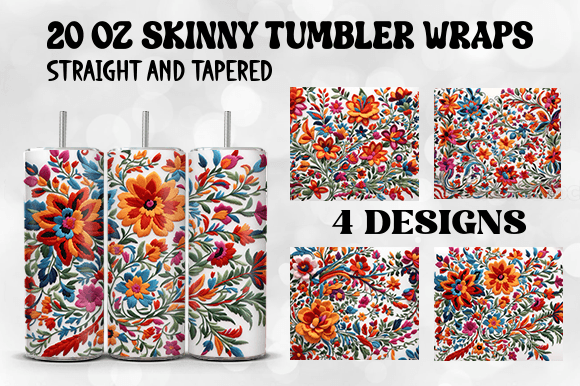
Reviewing the 3D Mexican Embroidery Tumbler Wrap Subli
As a designer who has spent years translating digital concepts into tangible, stitched realities, I approach every new asset with a critical eye. We are not just looking for pretty pictures; we are looking for viability. When I first encountered the 3D Mexican Embroidery Tumbler Wrap Subli, my initial reaction was one of cautious curiosity. The title suggests a sublimation graphic, yet the aesthetic promises the tactile depth of embroidery. For those of us in the craft business, understanding the distinction between a printed illusion and actual thread work is vital. This review explores how this design functions not just as a digital file, but as a conceptual blueprint for real-world handmade products.
First Impressions: Mood and Visual Personality
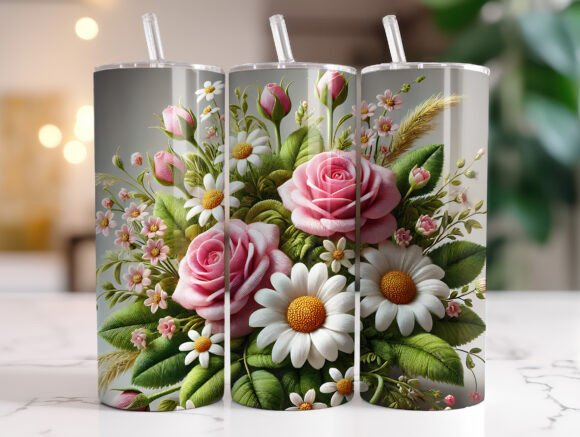
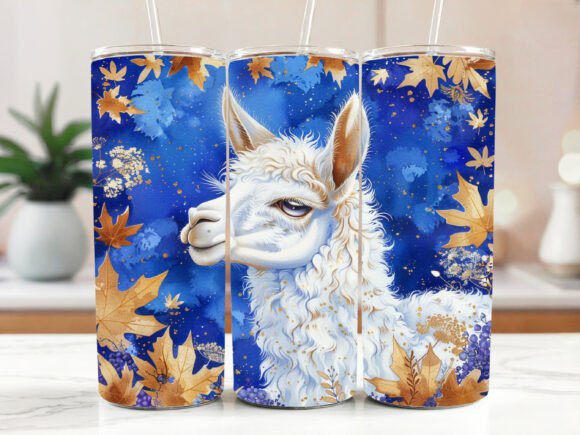
The immediate mood created by this design is vibrant and culturally rich. The "Mexican" theme typically implies bold geometric patterns, floral motifs, or traditional folk art elements, all rendered with a three-dimensional effect. In the context of Tumbler Wraps, this visual weight is crucial. A skinny tumbler is a curved, vertical canvas. If a design is too flat, it gets lost in the reflection of stainless steel or the gloss of a coated surface. The 3D aspect here suggests depth, shadow, and highlight, which helps the graphic pop against the cylindrical form.
From a layout perspective, the design appears optimized for the specific dimensions of 20oz and 30oz skinny tumblers. This is not a generic square image slapped onto a rectangle; it is a purpose-built Graphics asset. For an embroidery designer, this teaches us about proportion. Even if we are not stitching directly onto the tumbler, the compositional balance of this wrap can inspire how we place motifs on other curved or vertical surfaces, such as water bottles, tall candle holders, or even the side panels of tote bags.
Real-World Application Beyond the Tumbler
While the product description explicitly targets sublimation for tumblers, my job is to think broader. How does this aesthetic translate to other machine embroidery design projects? Let’s consider a real-life scenario. Imagine a client wants a coordinated set for a boutique hotel or a personalized gift shop. They love the vibrant, textured look of the 3D Mexican Embroidery Tumbler Wrap Subli but want it on fabric.
This is where the design’s visual language becomes valuable. The bold lines and high-contrast elements seen in the wrap can be adapted into an applique design for a tote bag. By using felt or cotton layers to mimic the 3D effect, you can recreate that depth without relying solely on dense stitching. For a sweatshirt, the central motif could be extracted and converted into a chest emblem. The key is maintaining the integrity of the original art’s spirit while adjusting for the constraints of thread and fabric.
Consider baby items. A simplified version of these patterns could work beautifully on a nursery blanket or a bib. However, one must be careful. The intricate details that look stunning on a high-resolution sublimation print might become muddy if translated directly into a small embroidery file for a 4x4 hoop. This design serves as a strong reference point for color palettes and motif structures, guiding us toward creating complementary personalized gift items that match the tumbler aesthetically.
Technical Considerations for Stitching
If you are inspired by this wrap to create actual embroidered goods, you must consider stitch behavior. The "3D" effect in sublimation is achieved through shading and perspective. In embroidery, we achieve this through satin stitch width variation, fill stitch density, and underlay techniques.
When adapting such a vibrant, detailed graphic into a custom apparel piece, pay close attention to stitch density. High-density areas can cause puckering, especially on thinner fabrics like jersey knits used for t-shirts. Always use a appropriate stabilizer. For caps or curved surfaces, the distortion factor is higher. What looks straight on a flat digital mockup may twist when stitched onto a curved crown. Test your digitized version on scrap fabric first. Check how the thread colors interact. Sublimation allows for millions of color gradients; embroidery is limited to your thread chart. You may need to simplify gradients into solid blocks of color to maintain clarity.
Furthermore, consider the hoop size. The wrap is designed for a large vertical area. If you are shrinking this down for a pocket logo or an embroidered patch, tiny details will vanish. You might need to remove fine lines and rely on bolder shapes to ensure the design remains recognizable at smaller scales.
Where to Use Caution
Not every project is suitable for this level of visual intensity. On dark fabrics, you will need to ensure your digitizing includes sufficient underlay to prevent the fabric from showing through the lighter colors. On stretchy fabrics, avoid large solid fill areas that can restrict movement or cause the garment to warp. If you are creating holiday embroidery items that will be washed frequently, ensure that any simulated 3D puff effects are secure and do not catch in the washing machine.
Also, be mindful of licensing. The 3D Mexican Embroidery Tumbler Wrap Subli is sold as an instant download for sublimation. This does not automatically grant rights to redistribute the design as a digital embroidery file. If you plan to sell the stitched products, verify the commercial use terms. If you plan to sell the digitized pattern itself, you must create your own original digitization inspired by the style, rather than converting the sublimation graphic directly, which could infringe on copyright.
Enhancing Brand Consistency and Value
For Etsy sellers and small shop owners, consistency is key. Using a cohesive visual theme across different product types builds brand recognition. If you sell sublimated tumblers using this wrap, offering matching embroidered tote bags or aprons creates a compelling bundle. It elevates the perceived value of your handmade product. Customers appreciate the thoughtfulness of a coordinated collection. It shows professionalism and attention to detail.
The visual appeal of the 3D effect draws the eye. In a crowded online marketplace, products that offer depth and texture stand out. Whether through actual stitching or printed illusion, the goal is engagement. This design succeeds in creating a focal point. When applied to commercial embroidery projects, such as corporate gifts or event merchandise, the boldness ensures the branding is noticed. However, always balance the design with negative space. Overloading a product with busy patterns can overwhelm the viewer. Let the design breathe.
Practical Designer Notes
- Test Before Production: Always stitch out a test sample on the actual fabric you intend to use. Digital previews can be deceiving.
- Check Contrast: Ensure your thread choices provide enough contrast against the fabric background. A low-contrast combination will make the design look flat and undefined.
- Verify File Details: Since this is a sublimation graphic, confirm the resolution and format (likely PNG or JPG) before printing. For embroidery adaptation, you will need to digitize it manually or hire a digitizer.
- Consider the End User: If the final product is for a child or active adult, prioritize durability and comfort over excessive decorative stitching.
- Mockup Variations: Create printable mockups showing the design on both light and dark backgrounds to help customers visualize the final result.
In conclusion, the 3D Mexican Embroidery Tumbler Wrap Subli is a striking asset for sublimation enthusiasts. For embroidery designers, it serves as a vibrant inspiration for color and composition. By understanding the technical differences between print and stitch, you can leverage this aesthetic to create high-quality, cohesive product lines that resonate with customers and stand the test of time. Always prioritize quality, respect licensing, and let your craftsmanship shine through every stitch.